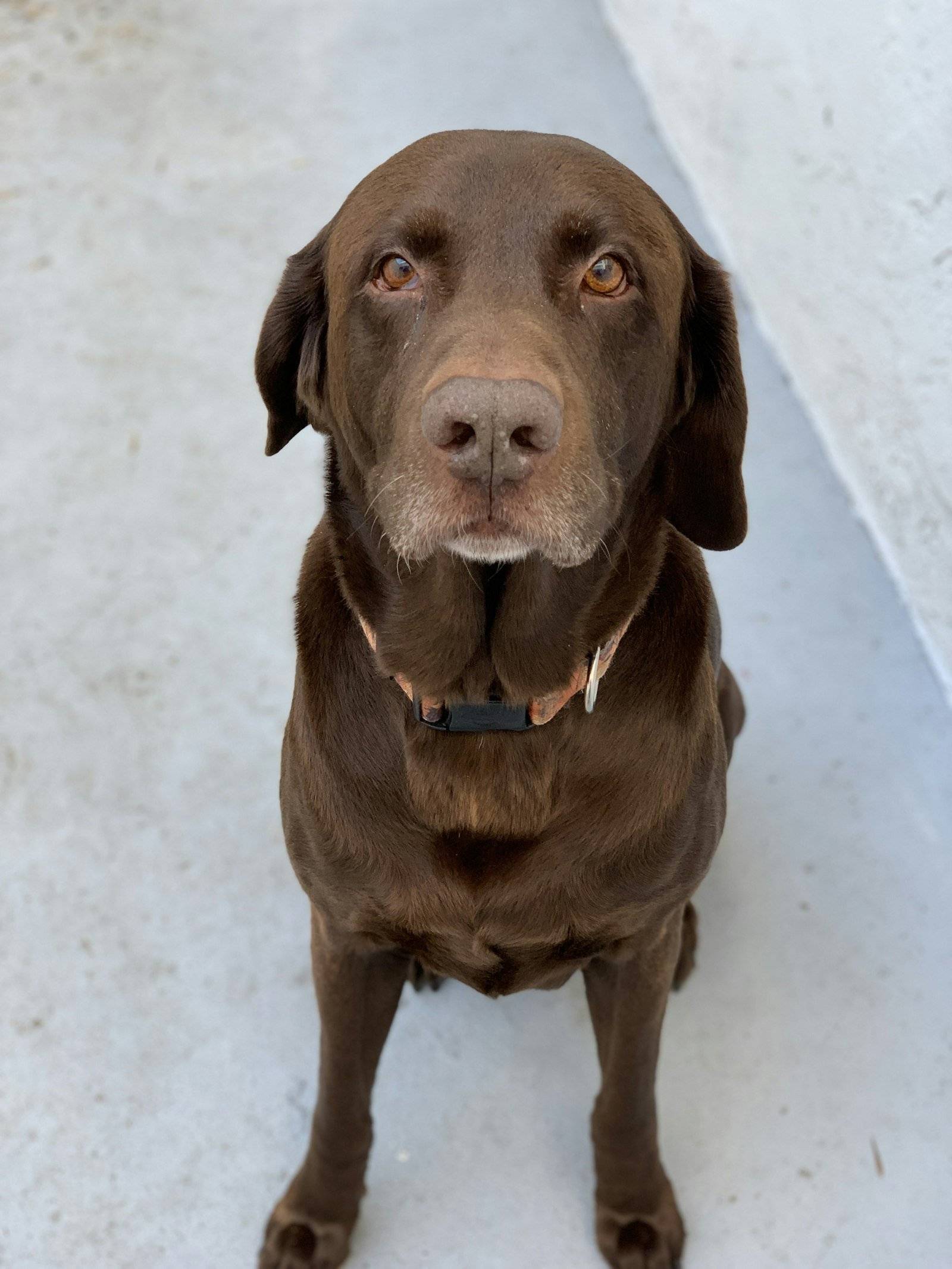
The chocolate Labrador isn’t a separate breed or a designer cross. It’s a Labrador Retriever carrying two copies of a recessive brown gene. That gene was in the breed from the beginning. For most of the breed’s history, breeders simply didn’t want to see it.
Timeline at a glance
| Period | What happened | Why it matters for chocolates |
|---|---|---|
| 1700s–1800s | Fishermen in Newfoundland work the St. John’s water dog, the Labrador’s ancestor | Brown pups likely already occurred, but nobody recorded them |
| Early 1800s | English aristocrats (the Earls of Malmesbury and the Dukes of Buccleuch) import the dogs and breed them for shooting | Black is the favored color |
| 1892 | Liver-colored puppies are recorded at the Duke of Buccleuch’s kennels | First well-documented chocolate Labs |
| 1903 | The Kennel Club (UK) recognizes the Labrador Retriever | One breed standard covers all colors |
| 1917 | The AKC registers its first Labrador | The breed arrives formally in the US |
| 1930s | Chocolate lines start to be kept on purpose, not culled | Breeding stock for the color builds up |
| 1991–2021 | Labs are the AKC’s #1 breed for 31 straight years | Demand for chocolates grows alongside |
| 2022 | The French Bulldog overtakes the Lab as the AKC’s most-registered breed | Labs remain one of the most popular breeds |
Why the color was unwanted
Early shooting breeders prized a uniform black dog. Breed histories say off-color (liver and yellow) puppies were commonly culled or quietly placed as pets. Brown is recessive: a puppy must inherit the brown allele from both parents to look brown. So black dogs kept passing the gene along unseen, and brown puppies kept turning up in litters. Today a DNA test of the B locus (the TYRP1 gene) can tell a breeder exactly which black or yellow dogs carry it. Our coat-color calculator shows the odds for any pairing.
From working dog to family dog
Labs were bred to retrieve shot birds from cold water. That’s where the dense double coat, the “otter” tail and the soft mouth come from. Those working traits still shape life with a modern pet chocolate. They need a lot of exercise (how much exercise Labs need) and love to carry things (best toys for Labs), and they have the appetite of a dog bred for hard work in the cold (weight control).
The “show” vs “field” split
Over the 20th century, Labs gradually split into heavier show (English/bench) lines and leaner, higher-drive field (American) lines. It’s one breed with one standard, but the two types look and behave noticeably differently. Chocolates exist in both, though people often link the color with show lines. See chocolate vs black vs yellow Labs for what the research does and doesn’t support about color differences.