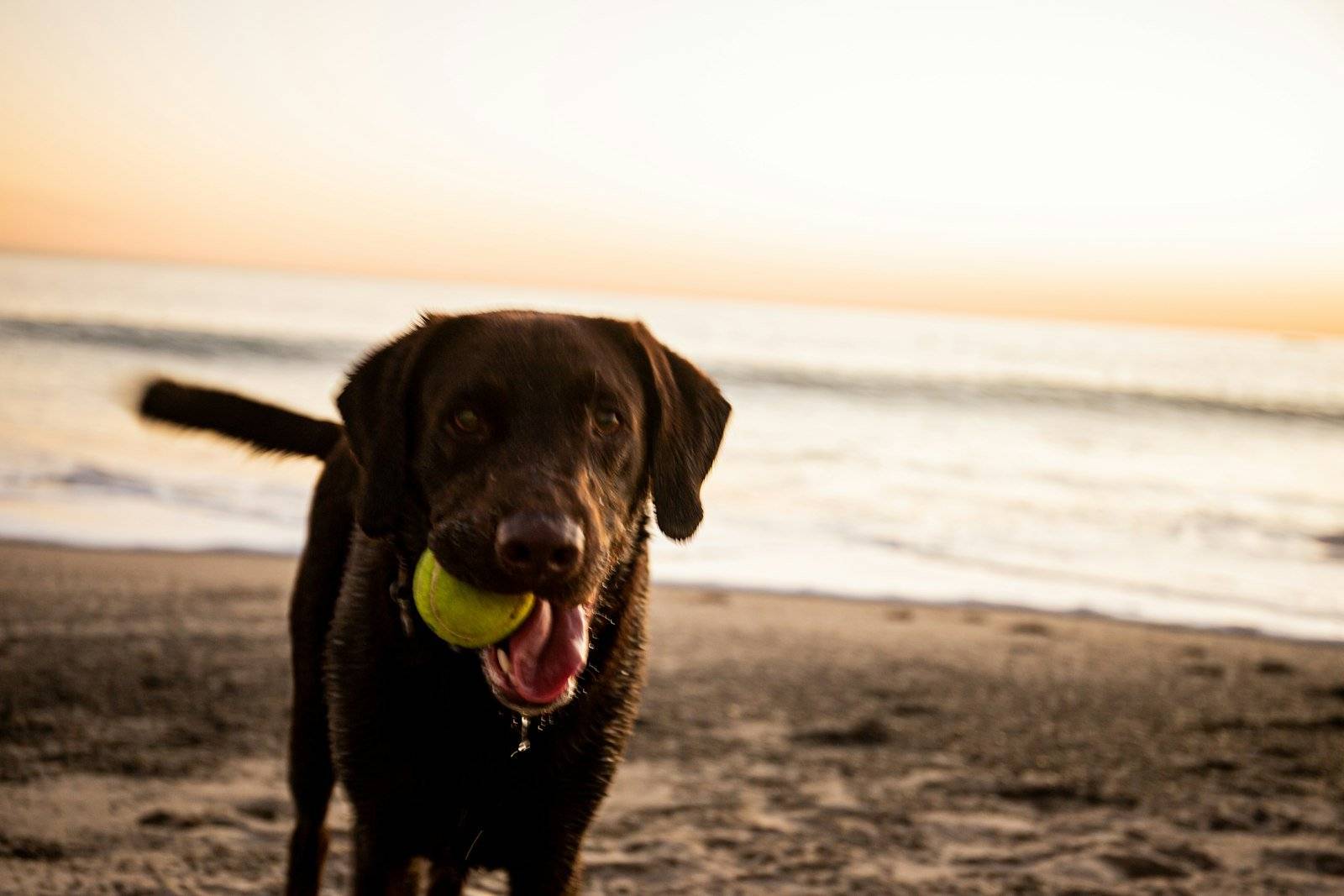
Quick answers
Golden Retriever vs Labrador: what’s the difference?
Both are friendly sporting breeds. Labs typically have a shorter double coat and an otter tail; Goldens have a longer golden coat. Energy and trainability overlap heavily. Choose based on coat care tolerance, local rescue availability and temperament of the individual dog. Answer page →
What is an English chocolate Lab?
“English” usually means a show-bred Labrador: blockier head, thicker build, calmer energy than field/working lines. Chocolate is just coat color (bb genotype). Ask breeders about health clearances and whether the line is show or field — not marketing labels alone. Answer page →
What is Labrador Retriever temperament like?
Labs are typically friendly, outgoing and eager to work with people. Show lines are often calmer companions; field lines usually need more exercise and retrieving outlets. Coat color alone does not determine temperament. Breeding line, socialization and daily training matter far more. Answer page →
Are chocolate Labs more aggressive?
There is no solid evidence that coat color makes Labs more aggressive. Differences people notice usually track breeding line, such as show versus field, and how the dog was raised. Choose a well-bred, well-socialized puppy and train with consistent rewards from the first week. Answer page →
Are Labs good apartment dogs?
They can be if you commit to daily exercise, training and enrichment. Labs were bred to work and often become destructive without outlets. Field-bred Labs are usually harder to keep in small spaces than many calmer show-bred companions with lower energy. Answer page →
Labs are bred to cooperate with a handler, and it shows: they’re typically friendly, food-motivated and eager to work. The flip side is that a Lab with too little to do will invent its own jobs, like chewing, digging, counter-surfing or “retrieving” your socks.
Temperament by life stage
| Age | What to expect | What helps |
|---|
| 8–16 weeks | Mouthy, curious, sleeps a lot | Socialization, crate routine, puppy training |
| 4–12 months | Fastest growth, adolescent “deafness”, jumping | Short daily training, leash skills, chew toys |
| 1–3 years | Peak energy, needs physical and mental work | Retrieving games, longer walks, enrichment |
| 3–8 years | Settled, reliable, still loves food | Weight control, steady exercise |
| 8+ years | Slower; joint stiffness common | Low-impact exercise, an orthopedic bed |
Does color change personality?
It’s a popular belief that chocolates are “crazier” or harder to train. A 2014 survey of more than 2,000 UK Lab owners (Lofgren et al.) found chocolates scored somewhat differently on a few traits. But the researchers pointed out a confound: show-line dogs scored very differently from working-line dogs, and chocolates are more common in show lines. Breeding line and upbringing matter far more than coat color. For more, see our color comparison.
Is a chocolate Lab right for you?
Good fit if you want an active, social companion; have time for about an hour or more of activity a day for a young adult; and enjoy training.
Think twice if you’re away 10 or more hours a day with no dog walker, can’t tolerate heavy seasonal shedding, or want a dog that’s naturally calm indoors from day one.
Training style that suits Labs
Labs respond very well to reward-based training. That’s also the approach the American Veterinary Society of Animal Behavior recommends over aversive methods. Food is their main currency. Start with our basic commands guide.
Frequently asked questions
Are chocolate Labs more hyper than black or yellow Labs?
Owner surveys have reported small color differences, but the research can't separate color from working vs show breeding lines. Energy depends far more on lines, age and exercise than on coat color.
Are chocolate Labs good with kids?
Labs are generally sociable and tolerant, which is why they're popular family dogs. Young Labs are big and bouncy, though, so supervise them with small children and teach calm greetings.
When do chocolate Labs calm down?
Most owners notice Labs settling between about 2 and 3 years old. Field-line dogs often stay energetic longer.