Home Training Your Lab Specialized Training for Labs: Retrieving, Scent Work and Dog Sports Training Your Lab
Specialized Training for Labs: Retrieving, Scent Work and Dog Sports By Todd Garland · Updated Oct 14, 2026 · 3 sources
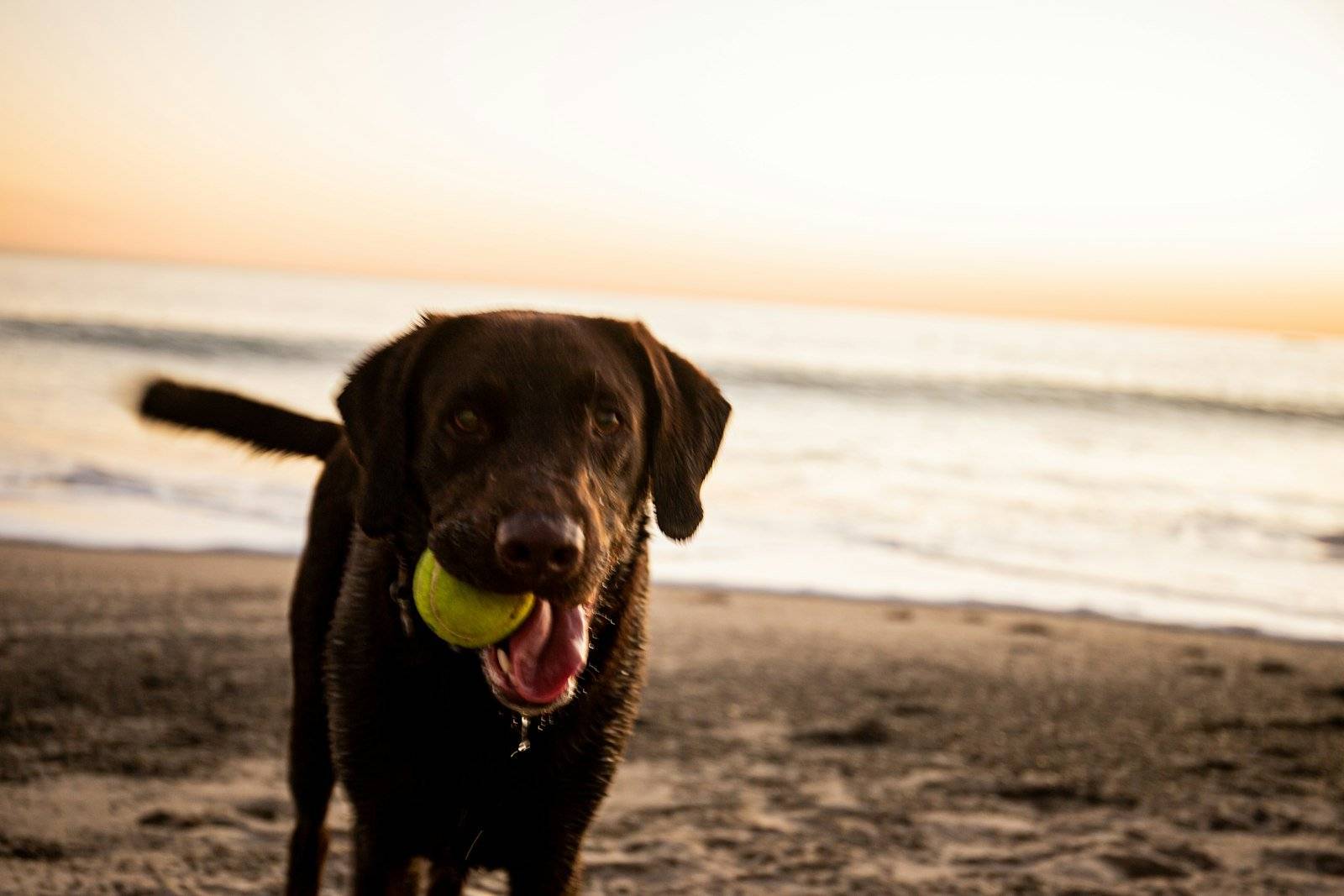
Photo by Reed Naliboff on Unsplash On this page (6) Quick answers Sports that fit Labs Getting started with retrieving Health notes FAQ Sources Quick answers What sports and jobs are good for Labs? Labs excel at retrieving and field work, dock diving, scent work, obedience and therapy-dog roles. Scent work is low impact and suits seniors or dogs with EIC. Wait for your vet to confirm growth plates have closed before high-impact jumping or repetitive dock dives. Answer page →
Sports that fit Labs
Activity Uses Start with Physical demand Retriever hunt tests (AKC)Marking, retrieving, steadiness Retrieving bumpers, a local retriever club High Scent work Nose Hide treats in boxes at home Low–moderate: great for seniors and EIC dogs Dock diving Retrieve + water A dock-diving facility’s intro session High Rally / obedience Precision, focus A local training club Moderate Therapy dog Calm, friendly temperament CGC first, then a therapy organization Low
Getting started with retrieving
Teach a reliable “hold” and “give” (drop it ).
Use soft bumpers on short, marked throws.
Add steadiness: the dog waits until sent.
Find an AKC retriever club for proper field training.
Health notes
Intense retrieving can trigger EIC in affected dogs. DNA-test first (EIC guide ).
Wait for growth plates to close before high-impact jumping. Ask your vet.
Dry the ears after water sports (ear-care routine ).
Frequently asked questions At what age can a Lab start dock diving or field training? Foundation skills like retrieving and hold can start in puppyhood. High-impact jumping should wait until your vet confirms growth plates have closed.
Is scent work good for older Labs? Yes. Scent work is low impact and mentally tiring, which suits seniors and Labs with EIC.
TG
Written & edited by Todd Garland , Founder & editor
Todd Garland founded ChocolateLabs.com and has owned the domain for years. He edits every guide on the site, checks claims against veterinary and peer-reviewed sources, and lists those sources at the bottom of each page.
Last reviewed October 14, 2026. How we research .
← Previous in Training Your Lab Next in Training Your Lab → Intermediate Training for Labs Take your Lab beyond basics: place/mat, heel, wait at doors, distance recall, settle, and preparing for the AKC Canine Good Citizen test. Exercise-Induced Collapse (EIC) in Labradors EIC is a genetic condition (DNM1) that makes some Labs collapse after intense exercise. Signs, what to do in an episode, DNA testing and breeding advice. Best Toys for Chocolate Labs (Heavy Chewers, Fetch and Puzzles) Durable toys that survive Lab jaws: KONG Extreme, West Paw Zogoflex, Chuckit!, Goughnuts, Jolly Ball and a puzzle feeder — with sizing and safety rules. Basic Commands for Your Chocolate Lab Step-by-step, reward-based instructions for teaching a Lab sit, down, stay, come, leave it and drop it, with a 4-week practice plan. Online Dog Training Courses and Brain Games for Labs Mental enrichment for Labs: why it matters, DIY brain games, and whether an online course like Brain Training for Dogs is worth it versus a local class. Browse all 6 guides in Training Your Lab
Explore ChocolateLabs.com