Search ChocolateLabs.com

Gear for Labs

Best Harnesses for Labs (Including Strong Pullers)

By · Updated · 3 sources

Disclosure: Some links on this page go to companies that run affiliate programs. If ChocolateLabs.com joins those programs, we may earn a commission at no extra cost to you. It never changes what we recommend. Read our disclosure.

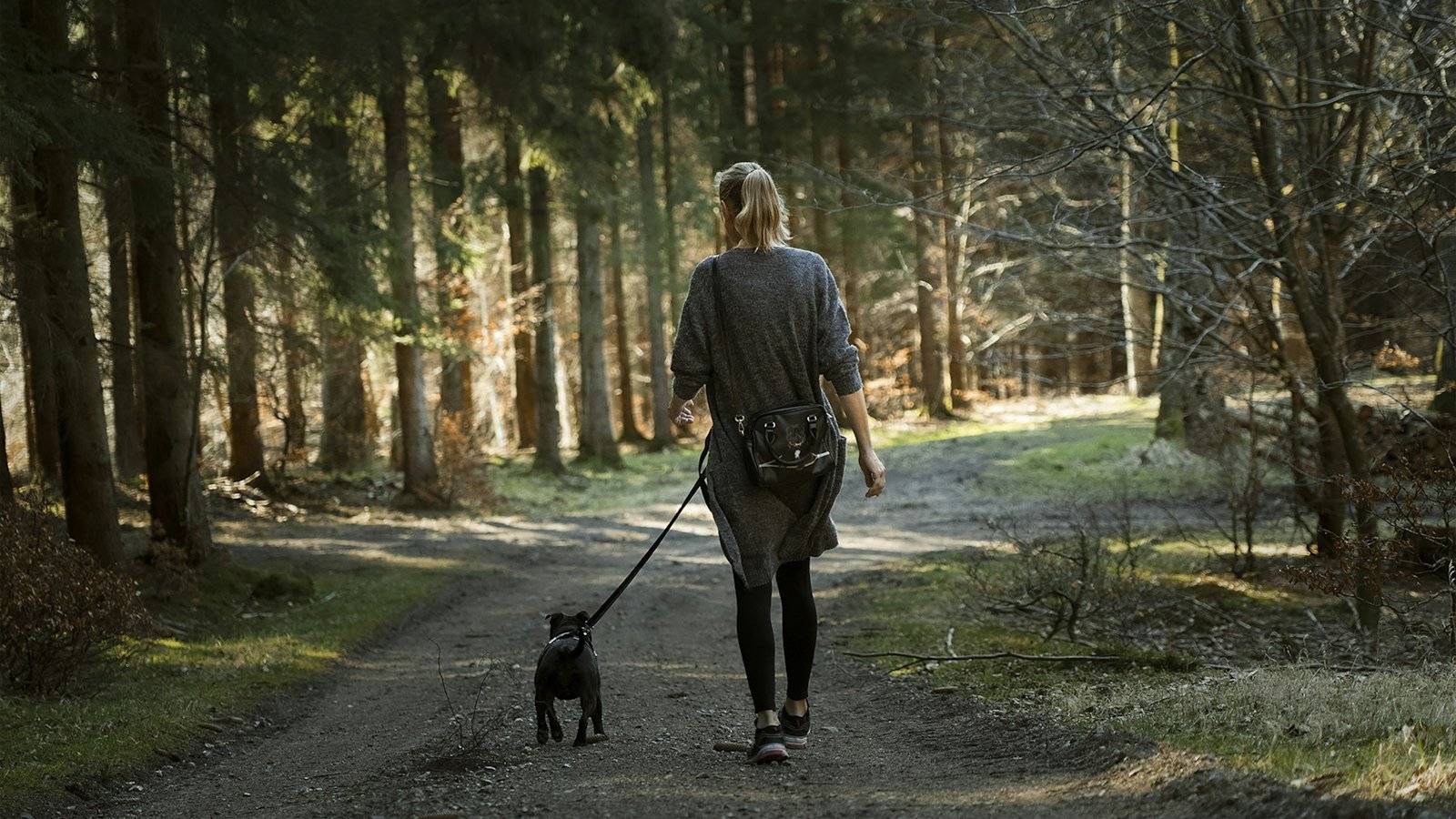
Woman walking a black Labrador on a leash along a forest path
Photo by Martin Dalsgaard on Unsplash
On this page (8)
  1. Quick answers
  2. Harness types
  3. Our picks
  4. Fitting a harness on a Lab
  5. Harness plus training
  6. Products mentioned
  7. FAQ
  8. Sources

Quick answers

What is the best harness for a Lab that pulls?

A front-clip harness reduces pulling leverage while you teach loose-leash walking with treats. Gear alone is not enough, so add short daily training sessions. Measure chest girth carefully, follow the maker’s size chart, and refit the harness as adolescent Labs keep growing. Answer page →

A harness is a management tool. It makes walks safer while you teach loose-leash walking. Front-clip harnesses reduce the pulling leverage of a strong Lab without causing pain. That fits the reward-based approach recommended by AVSAB.

Harness types

TypeHow it worksGood for
Front-clipLeash attaches at chest; pulling turns the dog sidewaysReducing pulling while training
Dual-clipFront + back rings, often with a double-ended leashStrong pullers; flexible use
Back-clip everydayLeash on the back; comfortable, doesn’t discourage pullingDogs that already walk nicely, hiking

Our picks

SituationPick
Budget front-clipPetSafe Easy Walk
Strong puller, best control2 Hounds Freedom No-Pull with a double-ended leash
Everyday walks & hikesRuffwear Front Range (front and back rings)

Fitting a harness on a Lab

  1. Measure the chest girth behind the front legs and check the maker’s chart.
  2. You should fit two fingers under every strap.
  3. Front-clip harnesses shouldn’t sit across the shoulder joint and restrict gait. Check that your Lab moves freely.
  4. Recheck the fit monthly for growing puppies.

Harness plus training

A harness manages pulling but doesn’t teach your Lab to stop. Pair it with short daily reward-based sessions, and add a GPS collar for escape-prone Labs if your dog bolts. Growing puppies need refitting monthly; our puppy growth chart helps you anticipate adult size.

Products mentioned

Front-clip harness

PetSafe Easy Walk Harness

PetSafe

Best for: Reducing pulling

  • Front-chest leash attachment steers the dog sideways when pulling
Check PetSafe
Dual-clip harness

2 Hounds Freedom No-Pull Harness

2 Hounds Design

Best for: Strong pullers (use with double-ended leash)

  • Front and back attachment points
  • Martingale loop on back
Check 2 Hounds Design
Harness

Ruffwear Front Range Harness

Ruffwear

Best for: Everyday walking & hiking

  • Front and back leash attachment points
  • Padded chest and belly panels
Check Ruffwear

We don't list prices because they change often. Check the current price with the seller.

Frequently asked questions

Is a harness or collar better for a Lab that pulls?

A front-clip harness reduces pulling leverage without pressure on the neck, so it's usually the better choice while you train loose-leash walking.

What size harness does a Lab need?

Measure chest girth behind the front legs and follow the maker's size chart. Most adult Labs fall in the large range.

Sources

  1. AVSAB Position Statement on Humane Dog Training (2021)
  2. Ruffwear: Front Range harness
  3. 2 Hounds Design: Freedom No-Pull Harness

Browse all 7 guides in Gear for Labs

Explore ChocolateLabs.com